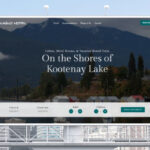
A hotel’s website is often the first impression travelers have of your property—and first impressions count. With just seconds to capture a visitor’s attention, your website must quickly communicate the stay experience. The best way to do this is through images.
High-quality photography not only conveys your brand’s personality and value but also plays a decisive role in converting lookers into bookers. In today’s image-driven digital landscape, great photography is essential. Here’s how to make the most of your website images to boost conversions.
Invest in Professional Photography
Your hotel website is your digital front door, so it needs to be polished, welcoming, and trustworthy. Because images are the best way to convey a sense of place, your hotel photos are not something to skimp on. While smartphone cameras have improved, they can’t replace a trained eye. Hiring a professional photographer—preferably one with experience in hospitality—ensures your property is captured in its best light, both technically and emotionally.
Before the shoot, collaborate with the photographer on a shot list that reflects your brand identity and key selling points. Think beyond beds and buildings to portray lifestyle, emotion, and atmosphere.
Pro tip: Plan for seasonal photo updates. Properties that showcase current decor, weather, or events signal attention to detail and relevance.
What to Show in Hotel Photos
While guestrooms are very important, your property has many other features that comprise the stay experience. Make a list to ensure nothing gets missed.
Guestrooms
Guestroom images are critical. Include multiple photos per room type—ideally, at least four—to capture angles, amenities, and mood. Don’t forget bathrooms, balconies, kitchenettes, and special features like in-room cocktail stations.
Staging makes all the difference. Clear away clutter (like printed instructions and TV remotes), fluff up pillows, straighten linens, and add special touches such as fresh flowers or a breakfast tray. Lighting is also very important. Your photographer will know how to improve lighting with artificial sources, but the right natural light results in the best photos. Consider the direction windows face when scheduling your shoot.
Hotel Exterior
Include exterior shots to highlight curb appeal, architectural charm, or location benefits and help travelers recognize your property on arrival.
Common Areas
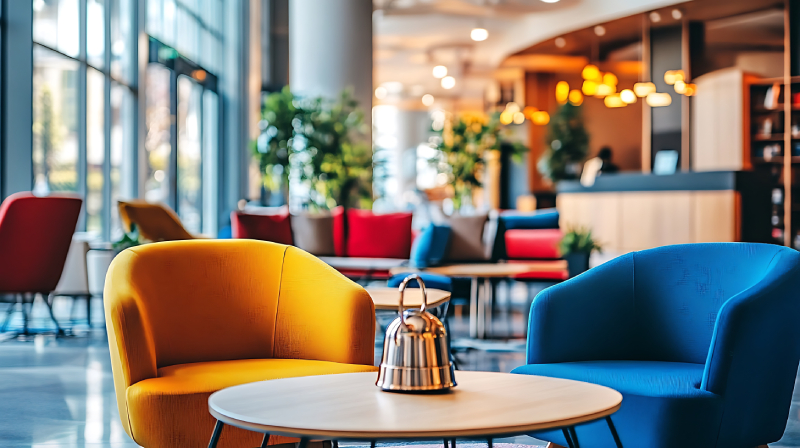
Lobbies, lounges, patios, and co-working areas contribute to the guest experience. Capture these communal spaces to convey your property’s ambiance and hospitality.
Facilities
Whether it’s a rooftop bar, pool area, or event space, your amenities can tip the scale for undecided travelers. Show them off to let guests know you offer much more than a place to sleep.
Location
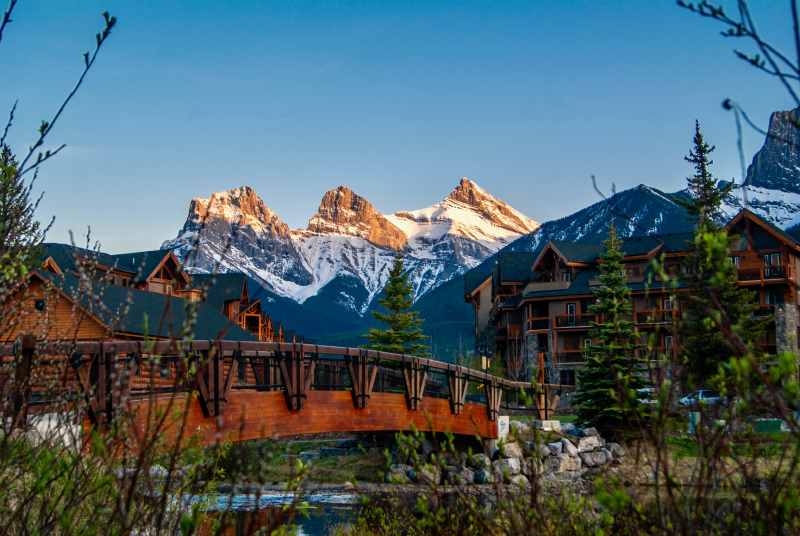
Location continues to drive booking decisions. Highlight yours with visuals of nearby landmarks and attractions, your neighborhood, or natural scenery. Modern travelers want to connect with the destination as much as the property, so promote your surroundings to establish your hotel as part of the local fabric.
Pro tip: Partner with local tourism boards or businesses to source high-quality destination imagery and be sure to get permission to use their photos on your website. Choose images that complement the style of your other website photos.
Mix Your Shot Types
Use a combination of wide shots and details to convey the experience at your property. While wide angles establish setting, close-ups invite emotional connection. A romantic table setting, the texture of a plush robe, or a horseshoe hanging above a rustic cabin door all help potential guests imagine how they will feel at your property.
Incorporating lifestyle shots with people (real or staged) makes a big difference, especially for boutique and experiential properties. Just be sure to get guests’ permission before photographing them.
Where to Show Hotel Photos
Photos should be thoughtfully placed to enhance storytelling and support the user journey—not just decorate your website. Here’s how to do that effectively:
- Homepage Hero Banner: Use a slideshow of three or four impactful images to showcase your brand and prompt visitors to explore.
- Homepage Content: Pick a selection of photos to support the content of your homepage—this could include rooms, facilities, and location highlights to offer a visual snapshot of the guest experience.
- Interior pages: Feature supporting photos on important pages guests explore when evaluating your property.
- Room Pages: Display galleries by room type and use captions that highlight unique features (e.g., “Deluxe King with mountain view”).
- Facilities Pages: Showcase amenities like the pool, restaurant, and event spaces with immersive images that convey the vibe and details of each.
- Location Pages: Include photos of your surrounding location and nearby attractions that inspire exploration and connect your hotel to the destination.
- Photo Galleries: Provide a dedicated gallery page organized by subject and include topic-specific image sliders on other pages to maintain visual engagement and support content.
- Booking Engine: Add slideshows for each room type within your booking engine to reassure guests and upsell rooms at the time of booking.
Big, Bold Visuals Win Clicks
Modern website design trends favor full-screen, high-resolution visuals that draw users into your space. Use edge-to-edge images and videos strategically—but avoid overwhelming visitors.
High-quality imagery also builds trust. Travelers associate crisp, modern visuals with professionalism and premium service, while poorly compressed or pixelated images undermine credibility.
Ensure Speed and Accessibility
Large images can slow your site, especially on mobile. Reduce page-load times and bounce rates by optimizing images to load quickly. Use tools like TinyPNG or ImageOptim (Mac only) to strike the balance between speed and quality. Stick with WebP or compressed JPEG files for maximum compatibility and performance. A responsive website design will guarantee photos are displayed optimally across all devices.
As well, make sure your images are accessible to all users. Accessibility is more than a legal requirement—it’s good UX. Descriptive ALT text ensures your website is screen-reader friendly and improves image SEO. Write clear, specific descriptions (e.g., “Cozy queen room with fireplace and lake view”).
Pro tip: Descriptive ALT text and file names (e.g., boutique-hotel-pool-evening.jpg) help photos rank in Google image search, which can drive significant traffic.
Go Beyond Static Photos
Visual content extends beyond still photography. Consider featuring the following formats on your website, in addition to photos:
- Short-form video for room walkthroughs, guest testimonials, or spa experiences
- Virtual tours or 360° room views, especially for weddings and corporate events
- Reels and TikToks for cross promotion via social channels
Ensure all embedded media is optimized for fast, responsive loading.
Great hotel photography doesn’t just show what your property looks like—it shows what staying there feels like. By thoughtfully curating and placing high-quality images that speak to both the rational and emotional needs of your guests, your hotel website inspires trust, sparks desire, and drives bookings.
For inspiration, check out our portfolio of recent work to see how our clients use photography to tell their property’s stories.